
Healthy gums are essential for a healthy smile. Periodontal treatment focuses on removing infection, reducing inflammation, and protecting the bone and tissues that support your teeth. Early treatment prevents long‑term damage and helps you maintain strong, stable oral health.
Periodontal (gum) disease is an infection of the gums and supporting tissues around the teeth. It begins with plaque and bacteria buildup and can progress from mild inflammation to severe bone loss if left untreated.
Bleeding gums
Red or swollen gums
Bad breath
Gum recession
Loose teeth
Sensitivity
Pain when chewing
Early treatment is essential to prevent long‑term damage.
Several factors can increase your risk of developing periodontal disease. Understanding these helps us tailor your treatment and prevention plan.
Poor oral hygiene — plaque and tartar buildup irritate the gums
Smoking or vaping — reduces blood flow and slows healing
Genetics — some people are naturally more prone to gum disease
Diabetes — higher blood sugar levels increase inflammation
Hormonal changes — pregnancy, puberty, and menopause can affect gum health
Stress — weakens the immune system and increases inflammation
Crooked or crowded teeth — harder to clean, leading to plaque buildup
Medications — some cause dry mouth or gum changes
Clenching or grinding — puts excess pressure on the supporting tissues
Poor diet — low nutrients weaken gum and bone health
Early detection and treatment significantly reduce the risk of long‑term damage and ultimately extractions.
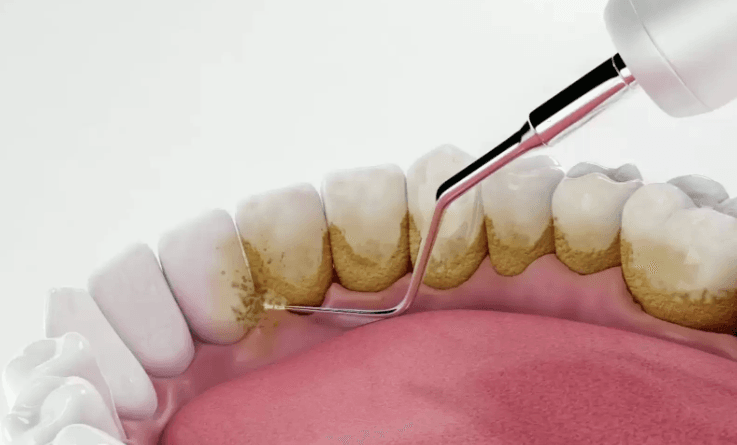
Removes plaque, tartar, and bacteria from above and below the gumline. Smooths the root surface to help gums reattach.
Regular deep cleaning appointments to keep gum disease under control.
Medication placed under the gums to reduce infection.
Monitoring or treating areas where the gums have pulled away from the teeth.
Referral to a specialist if severe bone loss or advanced disease is present.
Untreated gum disease can lead to:
Bone loss
Chronic infection
Bad breath
Gum recession
Difficulty eating
Higher risk of systemic health issues
Treating gum disease early protects your smile and overall health.
We measure gum pockets, check bone levels, and assess inflammation.
Scaling and root planing removes bacteria and smooths the roots.
We show you how to maintain gum health between visits.
We monitor healing and adjust treatment as needed.
Reduces bleeding and inflammation
Stops gum disease from progressing
Protects bone and tooth stability
Improves breath freshness
Reduces sensitivity
Helps prevent tooth loss
Supports long‑term oral health
Early gum disease (gingivitis) is reversible. Advanced gum disease can be controlled but not fully reversed.
Local anaesthetic ensures the procedure is comfortable.
Most patients require visits every 3–4 months.
Yes — untreated gum disease is the leading cause of adult tooth loss.
Gums do not naturally regrow, but treatment prevents further recession.
Book your periodontal treatment appointment today.

Dental envy is a gentle, caring, and trustworthy family dental practice, which is experienced and affordable. we’ve been helping patients and their families with their dental health for over 15 years. give us a call today to book in for a check-up.
mon to fri: 9:00am to 5:00pm